|
|
After a period of bitter cold across much of the country, we are excited to see spring just around the corner. Of course, weather varies by state and region, as do veterans’ needs and well-being, which we explore in our most recent publication, featured below. This month also brought one of our researchers from warm California to frosty Washington, D.C. to provide congressional testimony on veterans’ disability benefits, which you can read more about below. Finally, in honor of National Caregiver Day on February 20, co-director Rajeev Ramchand published a compelling and emotional essay in Newsweek about his personal journey. Rajeev thoughtfully captured some of the key lessons that came out of RAND’s recent military caregiver research while also offering a beautiful message of appreciation to his own hidden caregiver hero, husband Patrick. Please join us in wishing them well on Rajeev’s path to recovery. We hope this newsletter is useful and interesting to you, and we encourage you to share it with friends and colleagues who are interested in veterans’ well-being and policies that support them. We invite people to subscribe to stay up to date on RAND’s veteran-focused research, important veteran-related policy developments, and public discussions. Information about our published and ongoing work—and how to collaborate with us—is available at veterans.rand.org. Warmly, |
Carrie M. Farmer and Rajeev Ramchand |
Co-directors, RAND Epstein Family Veterans Policy Research Institute |
|
|
|
|
How Are Veterans Doing—and What Are Their Needs—by State?
|
|
|
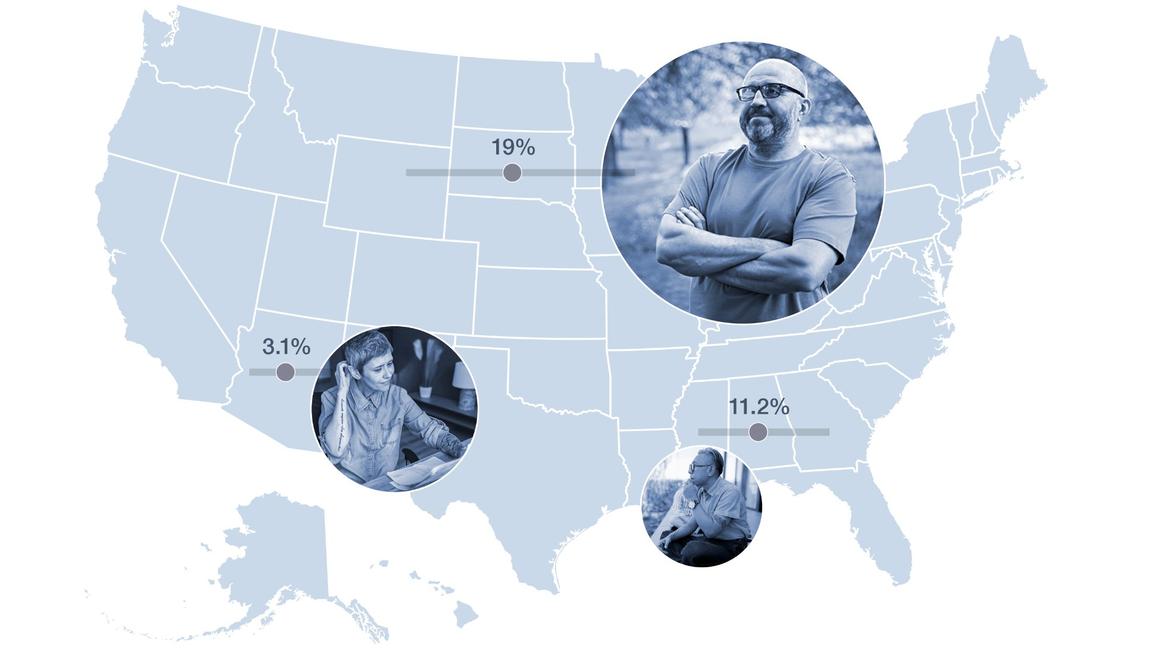 Images by BojanMirkovic (map), elenaleonova (man with arms crossed), VIJ (woman reading), and miodrag ignjatovic (man smoking)/Getty Images | | |
|
|
Challenges veterans face can vary widely from state to state, but most research to date focuses exclusively on national samples and often only on those who use VA services. Yet many programs and services that support veterans—from state agencies to regional Veterans Integrated Service Networks (VISNs) and nonprofit agencies—are planned, funded, and delivered locally. This report is designed to help fill the regional knowledge gap by using several existing, representative data sources to provide state-specific profiles of all 50 states and the District of Columbia. These profiles show how veterans’ needs vary substantially across states and that these differences should be considered when funding, designing, or implementing services and benefits to improve veterans' lives. |
Report
|
|
|
|
|
|
|
What Are the Challenges in Estimating Work Disability, and How Does That Impact Veterans Affairs Disability Compensation?
|
|
|
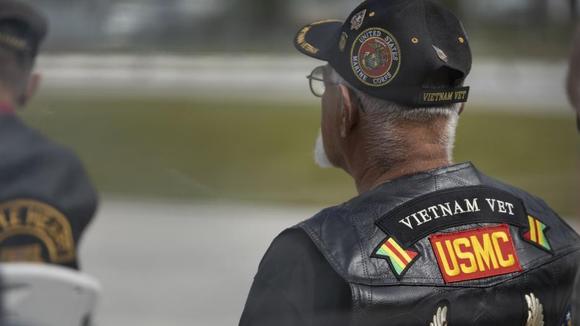 Photo by Bryan Lett/VBA Office of Communications | | |
|
|
In written testimony for the House Committee on Veterans’ Affairs Subcommittee on Disability Assistance and Memorial Affairs hearing on January 14, 2026, RAND’s Phillip Armour focused on the economic effects of disability and the challenges in assessing earnings loss for Veterans Affairs Disability Compensation (VADC). He argued that VADC benefits must take into account veterans’ earnings losses from service-connected disabilities, not just a medical rating of their impairment level. The most recent VA earnings loss study was conducted in 2008; more recent studies rely on outdated data and methods. Evidence from other programs shows that cash and noncash disability benefits directly affect earnings, but no research exists on how similar VA programs impact today’s working-age veterans’ earnings. Updated earnings loss studies that incorporate research on today’s veterans’ work disability would lead to more accurate disability ratings. |
Report
|
|
|
|
|
|
|
Federal Updates
|
|
|
Congress
|
All federal agencies except the Department of Homeland Security are funded through the end of the fiscal year (September 30). The House Veterans' Affairs Committee announced a set of 12 bills that would reform and reauthorize parts of the Department of Veterans Affairs. The three main themes the bills fall under are health care, administrative reorganization, and education and workforce. Congress passed, and the President signed, three veteran-related bills into law: |
|
|
Veteran Affairs
|
|
|
- consolidating the current 18 VISNs into five
- dividing community care into “Medical West” and “Medical East,” with TriWest and Optum no longer being the sole third-party administrators. The deadline for health plans to submit contract proposals is mid-March 2026.
- increased oversight of community care providers and the quality of care
- creating a nationwide network of dental providers through community care.
|
|
|
|
|
Expert Views from the RAND Epstein Family Veterans Policy Research Institute
|
|
|
|
|
|
|
|
|
Webinar on Connecting Military Skills to Career Opportunities for Veterans
|
|
|
February 26, 1 – 2 p.m. PT / 4 – 5 p.m. ET |
At our next RAND Epstein Family Veterans Policy Research Institute webinar, subject-matter experts will discuss duties and skill requirements across the military branches and how they align with workforce demands in the civilian sector, including the growing energy and infrastructure sectors. This event will be open to the public, with advance registration required. Those who register will receive Zoom connection details via email. Register to attend |
|
|
|


