From the Directors
|
As we enter the winter holiday season, RAND’s Epstein Family Veteran Policy Research Institute is pleased to share highlights of our recent research. We continue to study how states support veterans, with new research on veterans in Massachusetts. We also examine how federal regulations governing for-profit educational institutions affect student veterans and analyze a decade of research on military-related traumatic brain injuries. We hope this newsletter is useful and interesting to you, and we encourage you to share it with friends and colleagues who are interested in veterans’ well-being and policies that support them. We invite people to subscribe to stay up to date on RAND’s veteran-focused research, important veteran-related policy developments, and public discussions. Information about our published and ongoing work—and how to collaborate with us—is available at veterans.rand.org. May your holiday season be merry and bright, |
Carrie M. Farmer and Rajeev Ramchand |
Co-directors, RAND Epstein Family Veterans Policy Research Institute |
|
|
|
|
How Are Veterans Doing in Massachusetts—and How Can the Commonwealth Best Support Them?
|
|
|
 Photo by felixmizioznikov/Getty Images | | |
|
|
In March 2023, the governor of the Commonwealth of Massachusetts appointed the first secretary of the Executive Office of Veterans Services (EOVS) to oversee state-level veteran benefits and programs. EOVS replaced the Massachusetts Department of Veterans’ Services and, since its inception, has worked with the governor to improve veteran care and housing. To support new initiatives, EOVS partnered with RAND to better understand veterans’ well-being and needs in Massachusetts and to evaluate how well EOVS programs are serving them. Massachusetts is home to approximately 274,000 veterans; however, the size and composition of the veteran population in the commonwealth are changing. A severe shortage of affordable housing has led to veterans moving to more rural areas of the state, where there are fewer veteran services. In a model unique to Massachusetts, each city and town has a Veterans Service Officer, employed by local government and managed by the commonwealth. This model is viewed as an asset, and opportunities to strengthen the model and measure outcomes are identified in the report. These and other findings may be relevant for those interested in improving support for veterans in other states. |
Report
|
|
|
|
|
|
|
What Does the 90/10 Rule Mean for Student Veterans—and For-Profit Institutions?
|
|
|
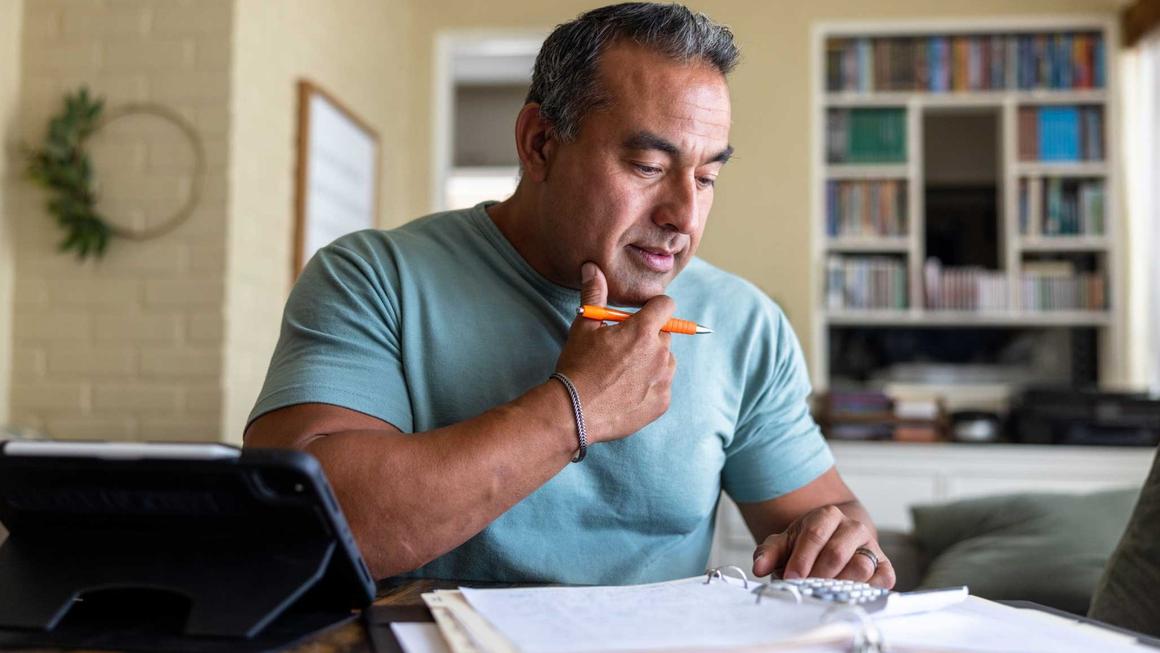 Photo by adamkaz/Getty Images | | |
|
|
Veterans and service members receive federal benefits to support their educational pursuits, and many enroll in for-profit institutions (FPIs). FPIs are held accountable under the 90/10 Rule, which caps revenue from federal funds. In this work, the author reviews FPIs in the United States and examines the 90/10 Rule and how it has changed over 30 years. The rule, which aims to safeguard students from fraud and harm, may also affect institutional performance, access, and college choice. Stakeholders—including staff and administration at FPIs—may find the insights helpful and informative. The author recommends future research to deepen understanding of the 90/10 Rule. |
Expert Insight
|
|
|
|
|
|
|
After 10 Years of Research, What Do We Know About Invisible Wounds?
|
|
|
 Image by Tatiana Shepeleva/Adobe Stock | | |
|
|
Service-related traumatic brain injury (TBI) is a hallmark wound of war, impacting more than 500,000 service members since 2000. Special operations forces are at particularly high risk because of frequent blast exposures and repeated neurological stresses. Many TBIs go undiagnosed or are mild, yet they frequently occur alongside conditions such as posttraumatic stress disorder and depression, resulting in significant long-term health effects. In this review of military service-related TBI studies, the authors map the progress of TBI research from January 2015 through June 2025. This comprehensive assessment of more than 450 published studies identifies the areas that have received the most focused investment, which can be used to establish a roadmap for future efforts. A coordinated research agenda is essential to advance prevention, diagnosis, treatment, and long-term recovery and to ensure comprehensive care and support for all service members and veterans living with TBI. |
|
|
Report
|
|
|
|
|
|
|
Federal Updates
|
|
|
Congress
|
- On November 12, Congress passed H.R. 5371, as amended, to reopen the government, and President Trump signed it into law as Public Law 119-37. This is a continuing resolution that funds the government through January 30, 2026, and funds FY2026 appropriations bills for agriculture, legislative branch, military construction, and veterans’ affairs.
- With full FY2026 appropriations in place, the Department of Veterans Affairs (VA) can continue running as usual during any future funding lapse.
|
|
|
Veterans Affairs
|
|
|
|
|
|
|
Expert Views from the RAND Epstein Family Veterans Policy Research Institute
|
|
|
- RAND featured co-director Carrie Farmer in its Veterans Day podcast.
- Several testimonies in the Senate Veterans’ Affairs Committee hearing on November 5 referenced RAND research: Institute for Veterans and Military Families’ Barbara Carson cited RAND’s military-to-civilian work; Bush Institute’s Jason Galui discussed partnering with RAND to create a shared definition of “high-quality care”; Student Veterans of America’s Jared Lyon included RAND research; U.S. Chamber of Commerce Foundation/Hiring Our Heroes’ Elizabeth O’Brien cited RAND research.
- On November 20, the institute hosted a discussion with experts on Military Exposures and Mental, Behavioral, and Neurologic Health Outcomes Among Post-9/11 Veterans.
- The Pew issue brief, Virtual Classrooms, Real-World Disparities, cited data from RAND’s report Veteran Single Parents: Surviving but Not Thriving.
- The Hometown Focus article, Predicting Risk of Suicide: Saving Veterans’ Lives with AI, quoted Rajeev Ramchand and his work on veteran suicide.
- The Johnstonian News editorial, No Veteran Should Go Hungry, included data from the RAND report Food Insecurity Among Veterans.
- An American Heart Association story, Veteran’s Children Rally to Care for Him After a Stroke, cited RAND’s report on military and veteran caregivers.
- The FedScoop article, OpenAI Offers Year of Free ChatGPT to Service Members, Veterans, cited RAND’s report, Federal Programs to Assist Military-to-Civilian Employment Transitions.
- The Military.com article, Veterans: The Time Might Be Right for a Job in the Energy Sector, covered RAND’s new report, Translating Military Skills into Energy and Infrastructure Careers.
- The American Institute for Boys and Men piece, How Veterans Groups Build Connection Among Men and Boys, mentioned RAND’s social connections research.
- The Daily Signal article, Strengthening Veteran Mental Health: A Vital Mission, cited RAND’s veteran suicide report.
- The Living Church article, Veterans Day Service: Be a Community That Heals, cited RAND research.
- WWNYTV news story, New York Assembly Examines Veterans’ Mental Health Resources in State Hearing, cited a recent RAND report.
|
|
|
|
|
Upcoming Event
|
|
|
Webinar: Translating Military Skills into Careers for Veterans
|
February 26, 1 – 2 p.m. PT / 4 – 5 p.m. ET |
|
|
|
|
|


