From the Directors
|
As Veterans Day approaches, we at the RAND Epstein Family Veterans Policy Research Institute extend our deep appreciation to all who have served our nation—and to their families, caregivers, and survivors. We are proud to release an updated, comprehensive report of available data about veterans, alongside a series of easy-to-read infographics that highlight key points. In addition, we are thrilled to announce the launch of an important new vehicle that lets us hear directly from veterans about how they’re doing and what their priorities are: the Veterans Insight Panel. Reach out to us to learn more about how this resource could support your research needs. More information about this and our new report on veteran employment in the sustainable energy sector is below! Please forward this newsletter to friends and colleagues who are interested in veterans’ well-being and policies that support them. We encourage people to subscribe so they can stay up to date on RAND’s veteran-focused research, important veteran-related policy developments, and public discussions. Information about our published and ongoing work—and how to collaborate with us—is available at veterans.rand.org. Wishing you a reflective and inspiring Veterans Day, |
Carrie M. Farmer and Rajeev Ramchand |
Co-directors, RAND Epstein Family Veterans Policy Research Institute |
|
|
|
|
How Are Veterans Doing Nationally?
|
|
|
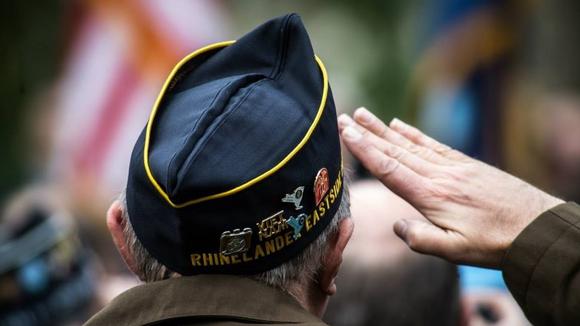
 Photo by AYSIA/Adobe Stock | | |
|
|
In a report and accompanying infographics, RAND authors provide updated analyses of U.S. veteran demographics, mental health, and labor market outcomes using nationally representative datasets, including the American Community Survey, National Survey on Drug Use and Health, and Current Population Survey. Key findings include: |
- Veterans who served after the terrorist attacks of September 11, 2001 (9/11), are substantially younger, more diverse, and more likely to hold a bachelor’s degree than earlier veteran cohorts.
- Patterns in mental health outcomes underscore important challenges for certain subgroups. Younger and post-9/11 veterans report higher levels of psychological distress and substance use disorders compared with older veterans and, in some cases, their nonveteran peers. Alcohol-related risks are elevated across the course of their lives, and treatment utilization varies, with higher rates observed among post-9/11, female, and sexual minority veterans.
- Veterans are generally well integrated into the civilian workforce. Labor market outcomes suggest that veterans have lower unemployment rates than nonveterans, their household incomes are higher on average, and they are more likely to be employed in the public sector.
|
Collectively, these findings provide policymakers, practitioners, and veteran-serving organizations with timely evidence to guide policies, services, and interventions that address the evolving needs of the veteran population. |
Infographics
|
|
|
Report
|
|
|
|
|
|
|
The Veterans Insight Panel is NOW LIVE!
|
|
|
|
|
|
|
RAND and NORC have partnered on a nationally representative survey panel to gather high-quality data from veterans about their well-being, challenges, and service experiences. The Veterans Insight Panel combines RAND’s and NORC’s rigorous approaches to studying military and veteran issues. Through online, phone, and mail surveys, the panel delivers timely data about veterans across every branch and era of service. Policymakers, researchers, veterans’ organizations, and businesses can rely on the panel’s data to shape programs and policies that truly serve those who served. The panel uses multiple recruitment methods, including direct outreach to hard-to-reach veteran populations, to ensure every subgroup is accurately represented. Results are delivered quickly through custom studies or by adding questions to our ongoing surveys, giving sponsors rapid insight without compromising quality. Contact us to learn more! |
Learn more
|
|
|
|
|
|
|
How Do Military Skills Translate to Jobs in the Sustainable Energy Sector?
|
|
|
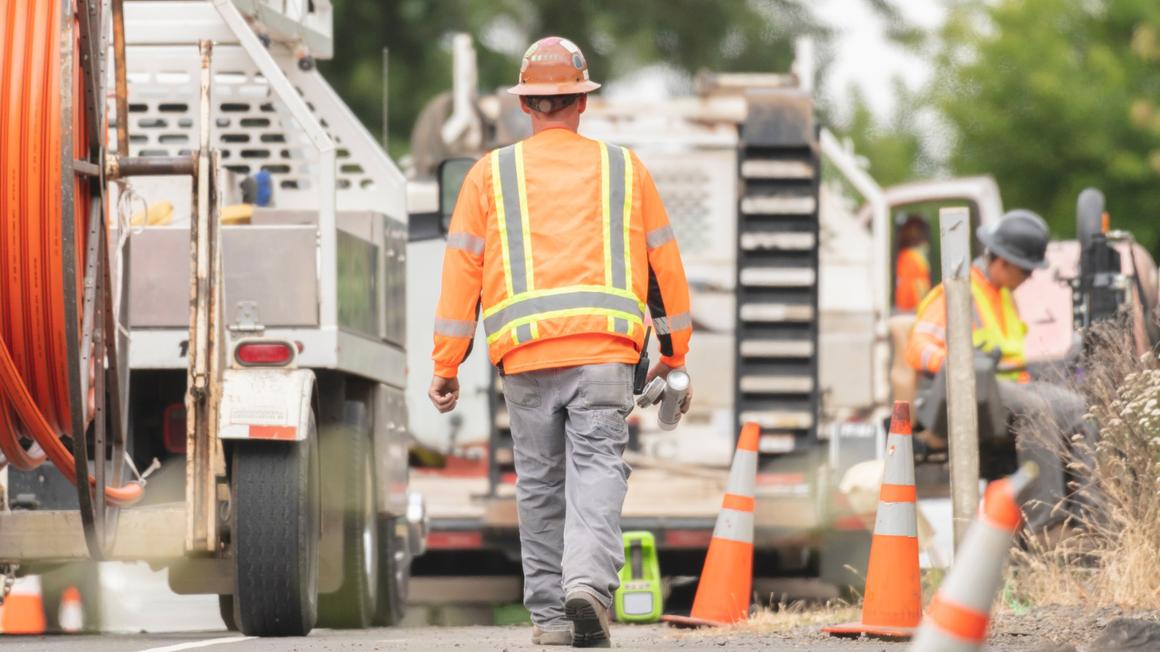 Photo by FatCamera/Getty Images | | |
|
|
Service members leaving the military can smoothly transition into jobs in sustainable energy and infrastructure sectors, meeting the labor needs of these growing industries and supporting those who have served. The authors analyzed and compared job duties and required skills across the Army, Navy, Marine Corps, and Air Force with the needs of high-demand jobs in sustainable energy and infrastructure sectors. A total of 255 matches between military and civilian occupations are identified, with 55 different military roles aligning closely with 57 civilian jobs in these sectors, many of which are expected to grow rapidly and offer above-average pay. Key findings reveal the technical, mechanical, construction, and logistics skills taught in military jobs are highly valued in renewable energy, grid modernization, building retrofits, transportation, and other sustainable energy and infrastructure roles. In addition to technical skills, the leadership, problem-solving, and adaptability instilled in military training are prized by employers in these fast-changing fields. Targeted support for service members leaving the military and seeking civilian work is important. Many of the best-matched roles require only modest additional training or civilian certifications, making the transition straightforward. However, success is more likely when transition programs include guidance on obtaining credentials, partnerships with schools and employers, and information about regional job trends. |
|
|
Learn more
|
|
|
|
|
|
|
Federal Updates
|
|
|
Congress
|
We are more than a month into the government shutdown with an unclear path toward resolution. The Senate remains in session, holding hearings, votes, and trying to find a resolution to the shutdown impasse. The House remains in recess. Prior to the government shutdown, the House passed fourteen veterans-related bills, which included proposed legislation on |
|
|
The Senate confirmed James Baehr as VA’s General Counsel and the Senate Veterans Affairs Committee advanced Jeremiah Workman’s nomination to lead the Department of Labor VETS program pending a final floor vote. Recent congressional hearings and round tables on veterans’ issues include |
|
|
|
|
Veterans Affairs
|
|
|
|
|
|
|
Expert Views from the RAND Epstein Family Veterans Policy Research Institute
|
|
|
|
|
|
|
|
|
Upcoming Event
|
|
|
Webinar on Military Exposures and Mental Health Outcomes
|
November 20, 1 – 2 p.m. PT / 4 – 5 p.m. ET |
|
|
|
|
|