New RAND research discusses key data, methods, and design issues that confront researchers studying opioid policy, with the goal of increasing the pace of good science.
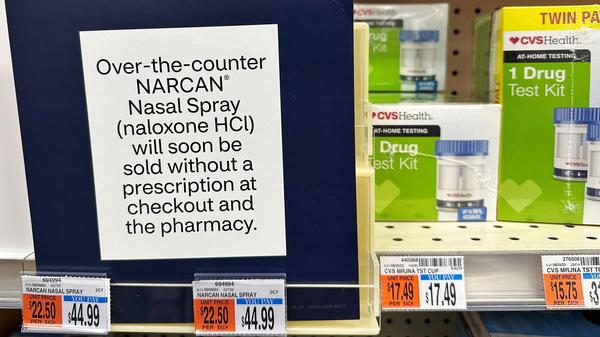
Sales of the overdose reversal medication naloxone increased after it was made available to the public without a prescription but then dipped quickly in the period following debut of over-the-counter sales.
For states considering psilocybin policy changes, decision makers and researchers should be specific about the policy changes being considered and understand that there are many policy options for the supply of psychedelics.
The use of evidence-based practices (EBPs) plays an important role in delivering high-quality substance use services that improve youth outcomes. During a 2025 roundtable, policy actors discussed how to implement EBPs through state service systems.
RAND's Alison Athey discusses research showing that more than 40 percent of Americans have lost someone to a drug overdose. How does that kind of loss ripple through people’s lives? And what support might help them heal?