Plus, catastrophic incidents, school start times, a new wargame, and more.

Policy Currents

Policy Currents
RAND logo

The newsletter for policy people

Nov. 24, 2026

 
Drones carrying boxes over a smart city, cell phone, and wireless communication network

Images by Niklas/Adobe Stock and chombosan/Getty Images

How Can the U.S. Dominate the 6G Future?

The race is on to build a 6th generation of wireless networks. China has made 6G a top priority, with plans for a full commercial launch in 2030.

A new RAND report outlines how Washington could vie for leadership in this space: by building on U.S. strengths in software, cloud computing, and data centers. The proposed strategy would deliver advanced 6G services to both commercial and government customers.

Keys to success include

  • establishing a public-private partnership between the U.S. government and leading tech companies, network carriers, and providers of radio access network equipment
  • launching a pilot project to demonstrate the potential uses and profitability of 6G-delivered services
  • focusing government investment on integrated sensing and communications—a capability that can detect and track drones and other airborne threats.

The bottom line: Aligning private-sector innovation with public needs could help the United States lead in 6G. But getting there will require acting soon.

Read more


When Does a Disaster Become a Catastrophe?

Storms. Cyberattacks. Infrastructure failures. Any of these can escalate into a catastrophic incident—with consequences that eclipse those of a typical disaster. A new RAND report identifies eight factors that can help emergency managers spot the risks early. The authors also suggest specialized training for emergency managers, such as practicing how to navigate worst-case scenarios and make decisions under uncertainty.

Read more

Will Teens Just Stay Up Later If School Starts Later?

Critics of later school start times often object that teens will just stay up later. But a new study by Lu Dong of Stony Brook University and RAND’s Wendy Troxel suggests otherwise. California’s later-start law did not appear to push bedtimes later. Instead, students there woke up 29 minutes later and slept 24 minutes longer on school nights, on average, than their peers in other states. What that extra sleep might buy over time—in mental health, learning, and safety behind the wheel—remains to be seen.

Read more
 

RAND Recommends

 
  • Most clicked last week: a new video on lessons from Inverted Rook, a RAND wargame exploring how to handle crises at home during a war abroad.
  • After the Palisades Fire, RAND’s Robert Lempert sees signs of a “rigidity trap” in Los Angeles—and explains how to escape it.
  • Want to spend your summer working on public policy research with RAND experts? Apply to our Graduate Student Summer Associate Program by Tuesday, December 1.
 
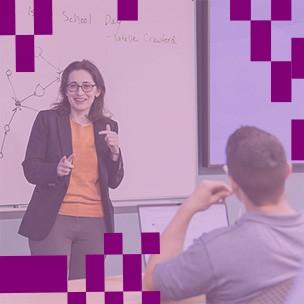
A RAND School instructor teaches a class, collage with magenta patterns and a pale magenta overlay

A Different Kind of Policy Education

At the RAND School, students aren't studying policy analysis from a distance—they're doing it. Memos, wargames, live briefings, all from day one. Applications are open now for our master's and Ph.D. programs in the Los Angeles, CA, and Washington, D.C., areas.

Learn more

RAND is a nonprofit institution that helps improve policy and decisionmaking through research and analysis.

LinkedIn
X
Instagram

Privacy policy

RAND

RAND. 1776 Main Street, Santa Monica, CA 90401-3208.
RAND® is a registered trademark.